
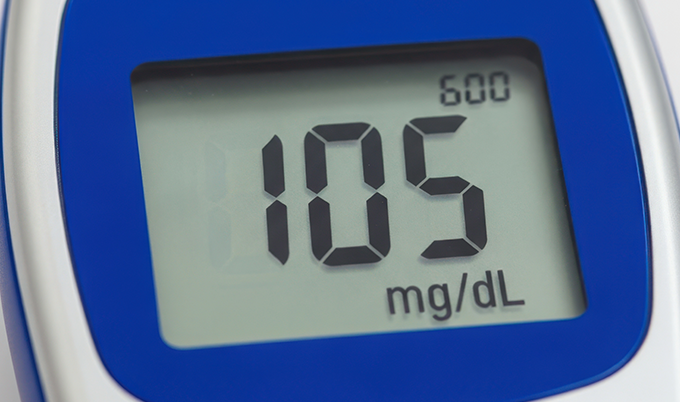
Your last blood work showed a fasting glucose of 108. Your doctor said “it’s a little high, but not diabetic yet” and sent you on your way. Meanwhile, your body’s been struggling with blood sugar regulation for months or years, and you’re missing the window when diabetes is actually preventable.
I know this because diabetes early detection isn’t about catching the disease – it’s about identifying metabolic changes years before you meet diagnostic criteria for Type 2 diabetes. According to the CDC, 96 million American adults have prediabetes, and more than 80% don’t know it. The gap between when your body starts struggling with glucose regulation and when you’re officially “diabetic” represents your best opportunity for prevention. Here’s how diabetes screening actually works, what numbers matter, and why catching prediabetes early changes everything about your long-term health outcomes.
Understanding the Diabetes Progression Timeline

Type 2 diabetes doesn’t appear overnight. Your body progresses through distinct metabolic stages over years before you’re diagnosed:
- Normal glucose regulation – Your pancreas produces insulin effectively, and cells respond appropriately
- Early insulin resistance – Cells become less responsive to insulin, so your pancreas produces more to compensate
- Prediabetes – Your pancreas can’t produce enough insulin to overcome resistance, and your glucose levels cross into the prediabetes range
- Type 2 diabetes – Blood sugar regularly exceeds diabetic thresholds, and the risk of complications increases
By the time you’re diagnosed with Type 2 diabetes, you’ve likely had impaired glucose metabolism for 5-10 years. Early detection means catching these changes during the insulin resistance or prediabetes stages when intervention can actually prevent progression to diabetes.
The Three Primary Diabetes Screening Tests
Hemoglobin A1c (HbA1c)
HbA1c measures your average blood sugar over the past 2-3 months by testing how much glucose has attached to your red blood cells. This test provides a broader picture than a single glucose reading.
HbA1c ranges and what they mean:
- Normal: Below 5.7% – Your glucose metabolism is functioning properly
- Prediabetes: 5.7% to 6.4% – Your body is struggling with glucose regulation, but diabetes is still preventable
- Diabetes: 6.5% or higher – You meet diagnostic criteria for Type 2 diabetes
The advantage of HbA1c is that it doesn’t require fasting and isn’t affected by day-to-day blood sugar fluctuations. A single high-stress day or recent illness won’t skew your results. However, certain conditions like anemia, recent blood transfusions, or specific genetic factors can affect accuracy, which is why your physician may order multiple types of tests.
Fasting Glucose Test
This test measures your blood sugar after you’ve fasted for at least 8 hours, typically performed first thing in the morning before eating or drinking anything except water.
Fasting glucose ranges:
- Normal: 70-99 mg/dL – Healthy glucose regulation
- Prediabetes: 100-125 mg/dL – Impaired fasting glucose indicating diabetes risk
- Diabetes: 126 mg/dL or higher – Diagnostic for diabetes when confirmed on two separate occasions
Many physicians use 100 mg/dL as the threshold for concern, but research suggests metabolic changes can begin even in the high-normal range (95-99 mg/dL). If your fasting glucose has been creeping upward over several years, even within the “normal” range, that trend matters more than any single reading.
Oral Glucose Tolerance Test (OGTT)
Though less commonly used for routine screening, the OGTT provides valuable information about how your body processes a glucose load. You’ll drink a standardized glucose solution, then have your blood sugar tested at intervals over 2-3 hours.
Two-hour glucose levels after 75g glucose load:
- Normal: Below 140 mg/dL – Your body processes glucose effectively
- Prediabetes: 140-199 mg/dL – Impaired glucose tolerance
- Diabetes: 200 mg/dL or higher – Diagnostic for diabetes
Some people have normal fasting glucose but elevated post-meal blood sugar, which the OGTT can detect. This test is particularly useful if your HbA1c or fasting glucose are borderline.
Continuous Glucose Monitoring (CGM)
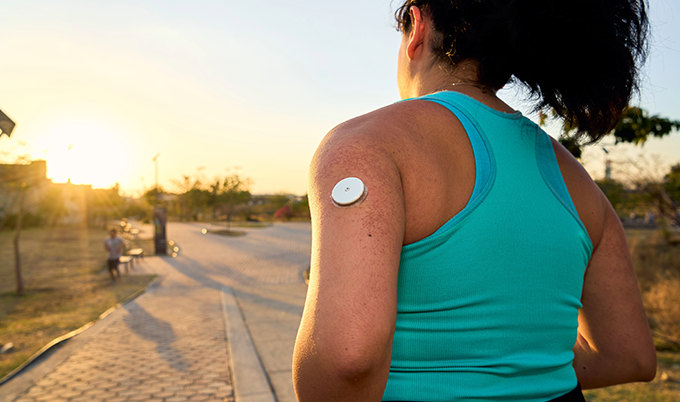
While not typically used for initial diabetes screening, continuous glucose monitors are becoming more accessible and provide unprecedented insight into your glucose patterns throughout the day and night.
What CGM reveals that standard tests miss:
- Post-meal glucose spikes – How high your blood sugar rises after eating, and how quickly it returns to normal
- Overnight glucose patterns – Whether your fasting glucose is elevated due to overnight production or poor evening metabolism
- Exercise response – How physical activity affects your blood sugar regulation
- Stress and sleep impact – How non-dietary factors influence your glucose control
- Individual food responses – Which specific foods cause problematic glucose spikes for you personally
Some forward-thinking primary care practices now offer CGM trials for patients with prediabetes or strong risk factors. Wearing a monitor for two weeks can reveal glucose dysregulation that won’t show up on standard testing, allowing for earlier intervention.
Diabetes Early Detection Through Risk-Based Screening
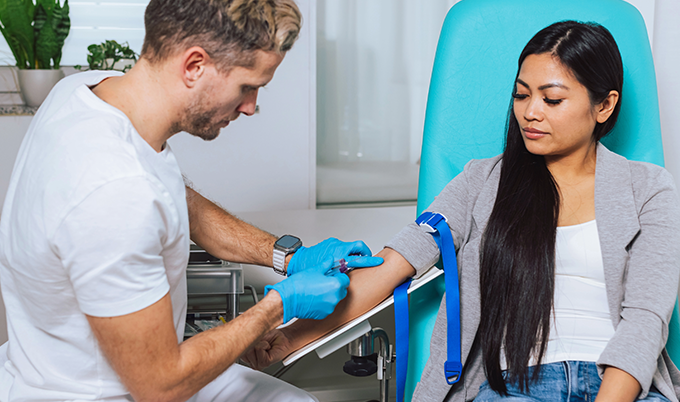
Current medical guidelines from the American Diabetes Association recommend diabetes screening for adults starting at age 35, but many people should begin testing much earlier based on their risk factor profile.
When to Start Screening Before Age 35
You should begin diabetes screening regardless of age if you have:
- Overweight or obesity – BMI of 25 or higher, particularly with weight concentrated around your abdomen
- Family history – Parent or sibling with Type 2 diabetes
- Sedentary lifestyle – Physical activity less than three times per week
- History of gestational diabetes – Diabetes during pregnancy significantly increases lifetime risk
- PCOS diagnosis – Polycystic ovary syndrome is closely linked to insulin resistance
- High blood pressure – Hypertension (140/90 or higher) or currently taking blood pressure medication
- Abnormal cholesterol – HDL below 35 mg/dL or triglycerides above 250 mg/dL
- History of heart disease – Previous cardiovascular events or diagnosed coronary artery disease
- Prediabetes history – Previous test results showing prediabetes, even if years ago
High-Risk Populations
Certain populations face elevated diabetes risk and warrant more aggressive screening protocols.
Ethnic and racial groups with a higher risk:
- African American
- Hispanic/Latino American
- American Indian
- Asian American
- Pacific Islander
These populations should begin screening at age 35, even without additional risk factors, or earlier if other risks are present. The elevated risk appears related to both genetic factors and higher rates of obesity and sedentary lifestyle.
Screening Frequency
How often you need diabetes screening depends on your risk factors and previous results.
Recommended testing intervals:
- Normal results, no risk factors – Every 3 years starting at age 35
- Normal results, with risk factors – Annually
- Prediabetes diagnosis – Every 6-12 months to monitor progression
- Recent lifestyle changes – Retest 3-6 months after significant weight loss or gain
Your primary care physician should consider your complete risk profile when determining screening frequency. If you have multiple risk factors or borderline results, more frequent monitoring helps catch progression early when intervention is most effective.
How Primary Care Physicians Identify Early Metabolic Changes
Experienced primary care physicians look beyond the binary “diabetic or not diabetic” question. They’re tracking metabolic trends over time to identify deterioration before it crosses diagnostic thresholds.
Longitudinal Pattern Recognition
What your doctor is watching for:
- Upward glucose trends – Fasting glucose that’s climbed from 85 to 88 to 92 to 96 mg/dL over three years signals worsening insulin resistance, even though all values are “normal”
- HbA1c creep – A1c moving from 5.2% to 5.4% to 5.6% over time indicates metabolic stress, even before reaching the 5.7% prediabetes threshold
- Triglyceride elevation – Rising triglycerides often precede detectable glucose abnormalities and signal insulin resistance
- HDL decline – Falling HDL cholesterol combined with rising triglycerides creates a lipid pattern strongly associated with insulin resistance
- Blood pressure changes – New-onset hypertension or increasing blood pressure medication needs may indicate worsening metabolic syndrome
- Weight gain patterns – Progressive weight gain, particularly around the abdomen, increases insulin resistance risk
This longitudinal approach requires consistent care with the same physician who knows your baseline and can spot meaningful changes. Comprehensive preventive care enables this kind of trend analysis over years. When you see a different provider at every visit, these patterns become invisible.
Additional Markers of Metabolic Dysfunction
Beyond standard screening, certain biomarkers help identify early metabolic problems:
- Fasting insulin levels – Elevated insulin with normal glucose indicates insulin resistance
- Liver function tests – Elevated enzymes can indicate fatty liver disease associated with insulin resistance
- Inflammatory markers – High-sensitivity CRP often elevates with metabolic dysfunction
These tests aren’t routinely ordered for everyone, but become valuable when your glucose is borderline or you have strong risk factors despite normal standard screening.
Prevention Steps When Prediabetes Is Caught Early
The crucial distinction between prediabetes and Type 2 diabetes is that prediabetes is reversible. Catch it early, implement lifestyle changes, and you can restore normal glucose metabolism. Wait until you’re diabetic, and you’re managing a chronic disease for life.
Lifestyle Interventions That Reverse Prediabetes
Research consistently shows that specific lifestyle changes can reduce diabetes progression by more than 50% – more effective than medication for prediabetes prevention.
Evidence-based interventions:
- Weight loss of 5-7% – If you weigh 200 pounds, losing just 10-14 pounds significantly improves insulin sensitivity
- 150 minutes weekly moderate exercise – Brisk walking, cycling, or swimming distributed across the week
- Resistance training 2-3 times weekly – Building muscle mass improves glucose uptake and insulin sensitivity
- Reduced refined carbohydrate intake – Limiting added sugars, white bread, white rice, and processed foods
- Increased fiber consumption – Targeting 25-30 grams daily from vegetables, whole grains, and legumes
- Improved sleep quality – Consistent 7-8 hours nightly, as poor sleep worsens insulin resistance
- Stress management – Chronic stress elevates cortisol, which impairs glucose metabolism
These aren’t vague health suggestions – they’re specific, measurable interventions with proven efficacy. The challenge isn’t knowing what to do; it’s implementing changes consistently and having medical support to monitor progress.
Medication Options for High-Risk Prediabetes
While lifestyle intervention remains first-line treatment, metformin may be considered for prediabetes in certain high-risk patients – particularly those under 60 with BMI over 35, history of gestational diabetes, or HbA1c rising despite lifestyle changes. Combining medication with lifestyle changes can provide better outcomes for these individuals.
Monitoring Progress and Adjusting Interventions
Once diagnosed with prediabetes, regular monitoring helps determine whether interventions are working. Recheck HbA1c or fasting glucose at 3 months initially, then every 6 months ongoing. Annual comprehensive labs including lipids and kidney function provide a broader metabolic assessment.
This monitoring requires a physician with time for regular appointments who genuinely partners with you on prevention. Effective chronic disease management and prevention demand more than one 10-minute annual visit.
The Primary Care Advantage in Diabetes Prevention
Early diabetes detection works best when you have a consistent primary care physician who knows your baseline, tracks your trends over time, and has the flexibility to order screening based on your individual risk profile rather than rigid guidelines.
What comprehensive primary care enables:
- Risk-based screening – Testing when your risk factors suggest it’s needed, not just when you reach an arbitrary age
- Trend analysis – Recognizing meaningful changes in your numbers over years, not just whether today’s value crosses a threshold
- Proactive intervention – Starting prevention strategies when you’re high-risk but pre-prediabetic, not waiting for an official diagnosis
- Individualized targets – Setting realistic goals based on your lifestyle, not generic recommendations you’ll never follow
- Ongoing accountability – Regular touchpoints to monitor progress, adjust strategies, and maintain motivation
- Integration with other conditions – Addressing how your hypertension, cholesterol, or sleep apnea interact with glucose metabolism
This is what relationship-based primary care looks like. Your physician doesn’t just order labs and tell you to “lose weight and exercise more.” They track your metabolic trajectory, identify deterioration early, and work with you through realistic intervention strategies with regular follow-up.
Why Early Detection Timing Matters
Your pancreas has limited capacity to compensate for insulin resistance. For years, it works harder to produce more insulin and maintain normal blood sugar. But eventually, pancreatic beta cells become exhausted, and glucose starts rising.
Once you’re diabetic, you can’t reverse this pancreatic damage. You can improve insulin sensitivity and use medication to manage blood sugar, but you can’t restore your pancreas to pre-diabetic function.
Catch the dysfunction during early prediabetes, and your pancreas hasn’t been permanently damaged. Improve your insulin sensitivity through weight loss and exercise, and your beta cells can recover. Your glucose metabolism can normalize.
This is why “a little high, but not diabetic yet” isn’t reassuring – it means you’re progressing toward diabetes while the prevention window closes.
Frequently Asked Questions About Diabetes Early Detection
What tests are used for diabetes early detection?
The primary tests for diabetes early detection are HbA1c (measures average blood sugar over 2-3 months), fasting glucose test (measures blood sugar after 8+ hours fasting), and oral glucose tolerance test (measures how your body processes a glucose load). Continuous glucose monitoring provides additional insight into daily glucose patterns and post-meal spikes.
What is a normal HbA1c level?
Normal HbA1c is below 5.7%. Prediabetes ranges from 5.7% to 6.4%, and diabetes is diagnosed at 6.5% or higher. However, HbA1c trending upward over time (even within normal range) can indicate developing insulin resistance and warrants monitoring.
What are the early warning signs of diabetes?
Early diabetes often has no obvious symptoms. That’s why screening is essential. When symptoms do appear, they may include increased thirst, frequent urination, unexplained fatigue, blurred vision, slow-healing wounds, or unexplained weight loss. However, these typically appear after diabetes has developed, not during the prediabetes stage when prevention is possible.
At what age should I start diabetes screening?
Current guidelines recommend screening starting at age 35 for all adults. However, you should begin earlier if you have risk factors including overweight/obesity, family history of diabetes, sedentary lifestyle, PCOS, gestational diabetes history, high blood pressure, or belong to high-risk ethnic groups (African American, Hispanic/Latino, Asian American, Pacific Islander, or American Indian).
Can prediabetes be reversed?
Yes. Prediabetes is reversible through lifestyle changes including 5-7% weight loss, 150 minutes weekly moderate exercise, reduced refined carbohydrate intake, and increased fiber consumption. Research shows these interventions can reduce diabetes progression by more than 50%. Once you progress to Type 2 diabetes, pancreatic damage becomes permanent and you’re managing disease rather than preventing it.
How often should I get tested for diabetes?
Testing frequency depends on risk factors and previous results. With normal results and no risk factors, test every 3 years starting at age 35. With risk factors present, test annually. If diagnosed with prediabetes, retest every 6-12 months to monitor progression and intervention effectiveness.
What is continuous glucose monitoring (CGM)?
Continuous glucose monitoring uses a small sensor placed under your skin to measure glucose levels throughout the day and night for up to two weeks. CGM reveals post-meal glucose spikes, overnight patterns, exercise responses, and individual food reactions that standard blood tests miss. This technology helps identify glucose dysregulation early, even when standard tests appear normal.
Does insurance cover diabetes screening?
Most insurance plans cover diabetes screening tests as preventive care with no copay when ordered according to clinical guidelines. However, coverage varies by plan. Direct Primary Care memberships typically include diabetes screening as part of comprehensive preventive care, with additional tests available at wholesale pricing.
Take Control of Your Metabolic Health
If you have risk factors for diabetes, waiting for symptoms isn’t a strategy. Type 2 diabetes typically progresses silently for years before you feel anything wrong. By the time you’re thirsty all the time or noticing blurry vision, you’ve been diabetic long enough for complications to begin.
Early detection requires proactive screening based on your risk factors, longitudinal monitoring of trends, and intervention during the prediabetes window when prevention is still possible. This level of personalized, preventive care depends on having a primary care physician with time to know you, track you over the years, and intervene at the right moments.
At Craft Concierge, our physicians have the time for comprehensive metabolic screening, trend analysis across your medical history, and regular monitoring appointments to catch prediabetes early. We offer advanced testing, including continuous glucose monitoring trials for high-risk patients, and our extended appointment times allow for realistic discussion of prevention strategies that actually fit your life.
Whether you’re concerned about your family history, experiencing unexplained symptoms, or simply want proactive metabolic health screening, we provide the comprehensive primary care that makes early diabetes detection possible. Your risk factors deserve more than a 10-minute annual visit with a rushed lab review.
Ready to take a proactive approach to diabetes prevention? Schedule a comprehensive metabolic health assessment with Craft Concierge. Call our Tulsa office at (918) 203-6800 or Tampa location at (813) 981-7807, or visit craftconcierge.com to learn more about our preventive care programs.