

Chronic inflammation doesn’t announce itself with a fever or a visible wound. It builds quietly – through the food you eat every day, the markers in your bloodstream, and the slow drift toward conditions most people assume are just “getting older.” If your primary care physician has mentioned your CRP levels, or you’ve started researching why fatigue and joint pain linger even when nothing specific seems wrong, you’re already asking the right questions.
Chronic inflammation sits at the root of some of the most common serious diagnoses – heart disease, type 2 diabetes, certain cancers, and autoimmune conditions. The connection between what you eat and what’s happening inside your arteries and cells is more direct than most of us were ever taught. Diet may be the most actionable lever you have to move those markers in the right direction.
This article breaks down what chronic inflammation is, which foods drive it up, which drive it down, how primary care physicians measure and track it, and what a practical anti-inflammatory eating plan looks like day to day.
What Chronic Inflammation Means – And Why It Matters

Inflammation itself isn’t the enemy. When you cut your finger or fight off a cold, your immune system triggers acute inflammation – a targeted, short-term response designed to heal and protect. That’s exactly what should happen.
Chronic inflammation is different. It’s low-grade, persistent, and systemic – circulating throughout the body at a level that causes ongoing cellular damage without a clear external threat to fight.
Your immune system is essentially stuck in a low-level alarm state, releasing inflammatory compounds called cytokines and other signaling molecules that, over time, damage blood vessel walls, affect insulin signaling, disrupt hormone function, and accelerate tissue breakdown.
Research has identified chronic inflammation as a contributing factor in:
- Cardiovascular disease – Inflammatory damage to arterial walls accelerates plaque buildup and increases heart attack risk
- Type 2 diabetes – Chronic inflammation impairs insulin sensitivity and disrupts blood sugar regulation
- Metabolic syndrome – A cluster of conditions including elevated blood pressure, excess abdominal fat, and abnormal cholesterol levels
- Rheumatoid arthritis and autoimmune conditions – Inflammation triggers the immune system to attack the body’s own tissues
- Certain cancers – Chronic cellular stress from inflammation can contribute to abnormal cell growth over time
- Neurodegenerative conditions – Emerging research links systemic inflammation to cognitive decline and dementia risk
Addressing chronic inflammation through diet is one of the highest-value health investments you can make – and it’s one where your primary care physician can measure your actual progress with lab work.
How Primary Care Physicians Measure Chronic Inflammation
One of the most valuable aspects of direct primary care is having a physician who orders the right labs, explains what the numbers actually mean, and tracks changes over time. Inflammation doesn’t show up on a basic metabolic panel – it requires specific markers.
CRP and hs-CRP: The Core Chronic Inflammation Markers
CRP is a protein produced by the liver in response to inflammation. Standard CRP tests detect acute, high-level inflammation. High-sensitivity CRP – hs-CRP – measures low-level chronic inflammation more precisely and is particularly useful for assessing cardiovascular risk.
| hs-CRP Level | Risk Category | What It May Indicate |
|---|---|---|
| Below 1.0 mg/L | Low Risk | Low cardiovascular risk; inflammation well-controlled |
| 1.0 – 3.0 mg/L | Moderate Risk | Warrants lifestyle review; dietary changes can move this number |
| Above 3.0 mg/L | Elevated Risk | Further investigation warranted if not explained by acute illness |
Diet changes, weight loss, and lifestyle modifications can meaningfully lower hs-CRP over weeks to months. Having a baseline and tracking changes gives you real biological feedback on whether your approach is working.
Other Inflammatory Markers Worth Tracking
Depending on your clinical picture, your physician may also look at:
- Erythrocyte sedimentation rate (ESR) – A general marker of systemic inflammation, often used alongside CRP
- Interleukin-6 (IL-6) – A cytokine that drives CRP production; elevated levels are associated with metabolic disease
- Fibrinogen – A clotting protein that rises with inflammation and is linked to cardiovascular risk
- Homocysteine – An amino acid that at elevated levels is associated with inflammation and heart disease risk
- Fasting insulin and HOMA-IR – Insulin resistance is closely linked to chronic inflammation and gives a fuller metabolic picture
- Triglycerides and HDL ratio – A useful proxy for metabolic inflammation and insulin sensitivity
A physician who reviews these markers together – rather than flagging only what falls outside a standard reference range – gives you a much clearer window into what’s actually happening in your body. That kind of thorough interpretation is central to what direct primary care physicians provide during extended visits.
Foods That Drive Chronic Inflammation

Diet is one of the primary environmental triggers for chronic low-grade inflammation. The modern Western diet – high in processed foods, refined carbohydrates, industrial seed oils, and added sugar – delivers a nearly daily inflammatory stimulus.
Here’s what the research consistently identifies as the main dietary culprits.
| 🔥 Pro-Inflammatory Foods | ✅ Anti-Inflammatory Swaps |
|---|---|
| White bread, pastries, refined cereals | Whole grain bread, oats, farro, quinoa |
| Sugary drinks, soda, sweetened juices | Water, sparkling water, green tea |
| Corn oil, soybean oil, vegetable oil | Extra virgin olive oil |
| Deli meats, hot dogs, processed sausages | Salmon, sardines, legumes, eggs |
| Packaged snacks, chips, cookies | Walnuts, almonds, fresh fruit, hummus |
Ultra-Processed Foods
Ultra-processed foods – packaged snacks, fast food, processed meats, frozen meals – contain combinations of refined ingredients, artificial additives, preservatives, and emulsifiers. These disrupt gut barrier integrity, shift the gut microbiome toward pro-inflammatory compositions, and trigger immune activation.
The more of your diet that comes from this category, the more consistently your body receives inflammatory signals.
Refined Carbohydrates and Added Sugar
White bread, white rice, pastries, and sugary drinks cause rapid blood glucose spikes. These spikes trigger the release of advanced glycation end products (AGEs) – compounds formed when sugars bind to proteins or fats.
AGEs activate inflammatory pathways and are associated with accelerated aging and increased chronic disease risk. Added sugar also elevates triglycerides and promotes visceral fat accumulation – both of which independently drive inflammation.
Industrial Seed Oils High in Omega-6
Corn oil, soybean oil, sunflower oil, and cottonseed oil dominate the processed food supply. These oils are extremely high in omega-6 polyunsaturated fatty acids. While some omega-6 is necessary, the modern diet delivers it at a dramatically skewed ratio to omega-3 – often 15:1 to 20:1, compared to the 4:1 or lower ratio associated with lower inflammatory markers.
Trans Fats
Partially hydrogenated oils – still found in some shelf-stable baked goods and fried restaurant foods – are directly pro-inflammatory. They’re clearly linked to elevated CRP, increased cardiovascular risk, and worse lipid profiles. Check ingredient labels for “partially hydrogenated” even if a product claims zero grams trans fat per serving.
Processed and Red Meats in High Quantities
Processed meats – deli meats, hot dogs, sausages – contain nitrates, high sodium, and other compounds associated with elevated inflammatory markers. Unprocessed red meat in large quantities also appears in research as a contributor to inflammation, though the picture is more nuanced than with processed varieties.
Anti-Inflammatory Foods: What the Evidence Supports
The anti-inflammatory eating pattern isn’t a trendy cleanse or a 30-day reset. It’s a way of consistently feeding your body the compounds it needs to regulate immune function, support gut health, and reduce cellular stress.
These are the foods with the strongest evidence behind them. For a deeper look at how your physician can help you build a personalized plan, Craft Concierge’s preventive care approach covers exactly this kind of lifestyle medicine work.
- Fatty fish (salmon, sardines, mackerel) – Rich in EPA and DHA omega-3s that directly reduce pro-inflammatory cytokines; aim for at least two servings per week
- Extra virgin olive oil – Contains oleocanthal with COX-inhibiting properties and oleic acid that supports healthy inflammatory signaling
- Colorful vegetables – Leafy greens, cruciferous vegetables, beets, and bell peppers each contribute different polyphenols that work through distinct anti-inflammatory pathways
- Berries – Blueberries, strawberries, and raspberries have anthocyanins shown in clinical studies to lower CRP and reduce oxidative stress markers
- Walnuts and tree nuts – Walnuts provide alpha-linolenic acid (ALA), a plant-based omega-3; almonds and pistachios provide vitamin E, magnesium, and fiber
- Legumes – Lentils, chickpeas, and black beans provide soluble fiber that feeds short-chain fatty acid-producing gut bacteria with direct anti-inflammatory effects
- Whole grains – Oats, quinoa, farro, and brown rice provide fiber and phytonutrients absent from refined grain products; consistently associated with lower CRP
- Turmeric and ginger – Curcumin and gingerols have demonstrated anti-inflammatory activity; turmeric absorption is enhanced by pairing with black pepper
Mediterranean Diet Principles for Reducing Inflammation
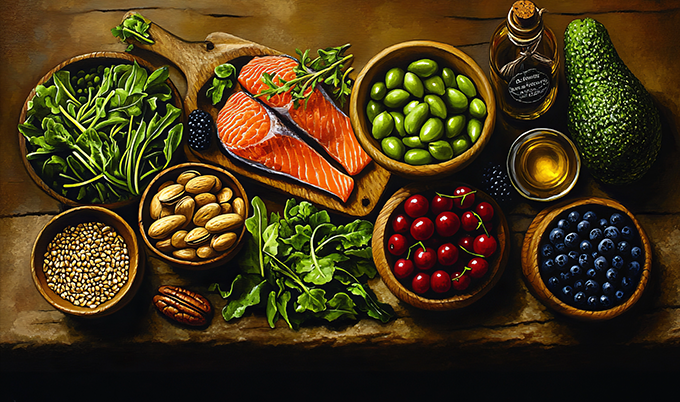
If there’s one dietary framework with the deepest evidence base for reducing chronic inflammation and preventing chronic disease, it’s the Mediterranean diet. It’s been the subject of large-scale randomized controlled trials – rare in nutrition research – and the results are consistent enough that it’s now recommended by major cardiology, diabetes, and endocrinology organizations.
According to research published on PubMed, the Mediterranean diet reduces multiple inflammatory biomarkers including CRP, IL-6, and fibrinogen – the same markers your primary care physician tracks to assess your risk.
Core Mediterranean Diet Principles
- Plants form the foundation. Vegetables, fruits, legumes, whole grains, nuts, and seeds make up the majority of each meal – providing the fiber, polyphenols, and antioxidants that consistently drive lower inflammatory markers.
- Extra virgin olive oil is the primary fat. It replaces butter, margarine, and industrial seed oils in cooking and at the table.
- Fish and seafood appear frequently. Two or more servings per week is the standard recommendation, with fatty fish prioritized for omega-3 content.
- Poultry, eggs, and dairy in moderate amounts. Present but not the centerpiece of every meal.
- Red meat is minimized. Traditional Mediterranean eating features red meat only a few times per month.
- Added sugar and refined grains are limited. Desserts are occasional, not daily. Bread – when eaten – is typically whole grain or sourdough-style.
The PREDIMED trial found that a Mediterranean diet supplemented with extra virgin olive oil or nuts reduced major cardiovascular events by approximately 30% compared to a low-fat control diet. This benefit appeared even without significant weight loss – the anti-inflammatory effects of the dietary pattern itself are doing meaningful work independent of caloric changes.
Why Mediterranean Eating Lowers Inflammatory Markers
The Mediterranean diet works through multiple pathways simultaneously. High fiber intake feeds a diverse gut microbiome that produces anti-inflammatory short-chain fatty acids. High polyphenol intake reduces oxidative stress and modulates inflammatory gene expression. Omega-3 from fish shifts the body’s eicosanoid production away from pro-inflammatory compounds.
This multi-pathway effect is part of why dietary patterns outperform single-nutrient supplementation in most research. Taking a fish oil capsule while eating a high-sugar, processed food diet doesn’t replicate what the full dietary pattern does at a systems level.
Practical Meal Planning Tips for Chronic Inflammation
The gap between knowing which foods to eat and actually building a consistent pattern is where most people get stuck. These practical meal planning tips close that gap without requiring dramatic overhauls or rigid calorie counting.
Build Your Plate Around the Anti-Inflammatory Template
A simple structural approach for most meals:
- Half the plate – non-starchy vegetables in as many colors as possible
- Quarter of the plate – protein source (fatty fish, legumes, poultry, eggs)
- Quarter of the plate – whole grain or starchy vegetable (quinoa, sweet potato, farro, brown rice)
- Finishing fats – a drizzle of olive oil, a handful of nuts or seeds, or avocado
This template automatically increases vegetable and fiber intake, moderates refined carbohydrates, and provides healthy fats – without requiring you to track anything.
Swap the Inflammatory Defaults First
Many of the most effective dietary changes aren’t about adding new foods – they’re about replacing the defaults that are quietly driving inflammation. Start here:
- Refined grain bread → whole grain or sourdough
- Vegetable/corn oil → extra virgin olive oil for most cooking
- Deli meat lunches → fish, legume-based, or egg-based options
- Sugary breakfast cereals → oats, eggs, or Greek yogurt with berries
- Soda and sweetened drinks → water, sparkling water, or green tea
- Processed snacks → nuts, fresh fruit, or hummus with vegetables
Weekly Anti-Inflammatory Eating Checklist
- Fatty fish 2+ times (salmon, sardines, mackerel)
- Colorful vegetables with every meal
- Legumes at least 3 times (lentils, chickpeas, black beans)
- Whole grains replacing refined grains
- Extra virgin olive oil as primary cooking fat
- A daily handful of walnuts or mixed nuts
- Berries 4+ times (fresh or frozen)
- Sugary drinks replaced with water or green tea
- 30 different plant foods across the week
Prioritize Dietary Diversity
One of the most consistent findings in gut microbiome research is that dietary diversity – eating a wide variety of plant foods – supports a more diverse microbiome, which is associated with better immune regulation and lower inflammatory markers.
A practical goal: aim for 30 different plant foods per week. Herbs, spices, nuts, seeds, and beans all count. Adding walnuts to breakfast, lentils to soup, and varying your salad greens gets you there faster than you’d expect.
Make Anti-Inflammatory Eating Sustainable
The research on diet and inflammation is based on long-term eating patterns – not 30-day interventions. A few principles that help:
- Cook in batches. Roast a sheet pan of vegetables, cook a big pot of grains or legumes, and have components ready to assemble quickly during the week.
- Use frozen and canned strategically. Frozen berries, frozen fish, canned sardines, and canned legumes are nutritionally strong and dramatically reduce the time barrier.
- Don’t make it all-or-nothing. Eating salmon twice a week and increasing vegetable variety is more valuable over five years than a strict two-week cleanse followed by reverting to old patterns.
- Focus on additions before restrictions. Adding berries to breakfast and a serving of fish per week creates positive momentum that naturally displaces less healthy choices.
How Your Primary Care Physician Tracks Inflammation Progress

Dietary changes take time to show up in inflammatory markers – typically weeks to months, not days. This is one reason working with a physician who orders baseline labs and follows up with repeat testing is genuinely useful. Without that data, you’re guessing about whether your approach is working.
A direct primary care physician can order an hs-CRP test before you make dietary changes, then recheck it after three to six months of consistent anti-inflammatory eating. Combined with metabolic markers like fasting insulin, triglycerides, and HDL, this gives you a real picture of your biological response.
Extended visit time matters here. Reviewing lab trends, discussing specific foods you’ve changed, and adjusting your approach based on your markers requires more than a 10-minute appointment. The DPC model is built around exactly this kind of ongoing health optimization work – the type of conversation that doesn’t fit into a standard insurance-driven visit.
If your hs-CRP or GlycA is elevated, your physician can also determine whether further investigation is warranted – ruling out underlying conditions driving the inflammation or evaluating whether it’s contributing to symptoms you’ve been attributing to something else.
Ready to Get Your Inflammation Markers Checked?
Chronic inflammation responds to food. The inflammatory markers your physician measures respond to dietary pattern changes. The diseases driven by chronic inflammation – heart disease, type 2 diabetes, metabolic syndrome – all have diet as one of their most modifiable risk factors.
This doesn’t require a perfect diet. It requires a consistent shift toward the foods that work with your biology – fatty fish, colorful vegetables, legumes, whole grains, nuts, and olive oil – and away from the ones that work against it.
If you haven’t had your inflammatory markers checked, that’s the right starting point. At Craft Concierge, our direct primary care physicians can order the right labs, interpret them in the context of your full health picture, and help you build a personalized approach to reducing chronic inflammation through diet and lifestyle. Schedule a free meet-and-greet to get started – no commitment required.
Schedule a free meet-and-greet to talk with a Craft Concierge physician about your inflammation markers and what your numbers mean for your long-term health.