

You’ve been told sleep affects your metabolism. You’ve read the articles, heard it from your doctor, maybe even tracked it on a wearable. You know poor sleep raises blood sugar, drives weight gain, and makes insulin resistance worse. That part isn’t the mystery anymore.
What nobody tells you is that metabolic conditions make sleep harder in the first place – and that fixing sleep when you already have diabetes, hypertension, or stubborn weight requires a different approach than the standard “go to bed earlier and cut the screens” advice.
This article is for people already managing a metabolic condition who want to know how sleep quality connects to their specific health challenges, why generic sleep advice often falls short, and what actually moves the needle when your metabolism and your sleep are both working against you.
Why Metabolic Conditions Make Sleep Harder

The relationship between metabolic health and sleep runs in both directions. Most of the public conversation focuses on one side – poor sleep worsening metabolism. The other direction gets far less attention: metabolic dysfunction actively disrupting sleep, creating a cycle that’s genuinely difficult to interrupt without addressing both ends.
| Condition | How It Disrupts Sleep | The Downstream Effect |
| Prediabetes / Type 2 Diabetes | Overnight blood sugar fluctuations fragment sleep architecture. The liver releases stored glucose in the early morning hours – a process that runs higher and less smoothly when insulin resistance is present. | Lighter, more fragmented sleep during the hours when glucose metabolism is supposed to normalize and growth hormone is released. |
| Hypertension | The protective nighttime blood pressure dip – typically 10 to 20 percent in healthy adults – is blunted or absent. The cardiovascular system stays partially activated through the night. | Reduced sleep depth and continuity, higher cardiovascular risk from sustained overnight blood pressure elevation. |
| Excess Weight / Metabolic Syndrome | Fat deposits around the neck and midsection increase the mechanical risk of obstructive sleep apnea, causing repeated breathing interruptions throughout the night. | Repeated cortisol spikes, direct worsening of insulin resistance, and ongoing sleep fragmentation – often going undiagnosed for years. |
What makes this cycle particularly difficult to break is that each condition feeds the others. Poor sleep worsens blood sugar control, which worsens sleep quality, which elevates blood pressure, which further disrupts sleep. Addressing one end without the other rarely produces lasting results.
Sleep Quality vs. Sleep Quantity – Why the Distinction Matters
When people talk about sleep and metabolic health, the conversation usually centers on duration – are you getting seven to nine hours? That’s a reasonable starting point. But for people with metabolic conditions, quality is often the more important variable, and it’s the one that gets overlooked.
Eight hours of fragmented, shallow sleep does not deliver the same metabolic benefit as six and a half hours of deep, uninterrupted sleep. Deep sleep – the slow-wave stages – is where growth hormone is released in its largest daily pulse, where glucose metabolism normalizes, and where the hormonal environment that governs hunger and fat storage gets reset for the next day. If your sleep is technically long enough but lacks adequate time in those deeper stages, you can wake up having “slept eight hours” and still carry the metabolic burden of sleep deprivation.
Signs that quality may be your problem rather than quantity include waking unrefreshed despite adequate hours in bed, daytime fatigue that doesn’t match your sleep duration, and metabolic markers – blood sugar, weight, blood pressure – that don’t respond to lifestyle changes the way they should. These are worth raising explicitly with your physician, because they point toward a different set of interventions than simply extending time in bed.
Blood Sugar and Sleep: What People with Prediabetes and Diabetes Need to Know
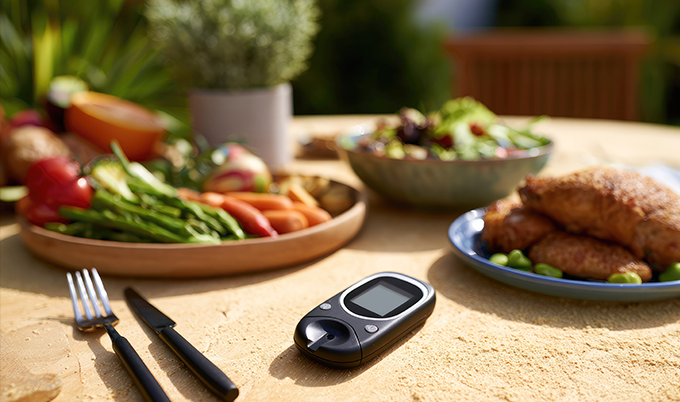
Blood glucose management and sleep quality influence each other in ways that require active attention, not just passive hope that one will improve the other.
Evening eating patterns have a direct effect on overnight glucose and sleep architecture. Large meals within two to three hours of bedtime elevate blood sugar during the first half of the night, interfering with the transition into deep sleep stages. For people managing prediabetes or type 2 diabetes, this isn’t just a mild inconvenience – it’s a pattern that compounds insulin resistance night after night.
The type of carbohydrate at dinner also matters. High-glycemic foods spike blood sugar quickly and can cause a reactive dip several hours later – the kind of drop that can trigger cortisol release in the middle of the night and disrupt sleep continuity. Lower-glycemic evening meals tend to produce more stable overnight glucose and, in practice, measurably better sleep quality.
For people on insulin or certain diabetes medications, the picture is more complex. Nocturnal hypoglycemia – blood sugar dropping too low during sleep – can cause night sweats, racing heart, and partial awakenings that feel like poor sleep or anxiety rather than a glucose event. If you wake frequently without a clear reason, this is worth discussing with your physician before assuming it’s a sleep hygiene issue.
The practical takeaway: if you’re managing blood sugar, your pre-sleep routine should include attention to what and when you ate – not just screen time and room temperature.
Hypertension, Cortisol, and the Nighttime Stress Response
Chronic high blood pressure and poor sleep share a common driver: an overactive stress response. The sympathetic nervous system – the “fight or flight” system – is supposed to quiet down at night, allowing blood pressure to dip and sleep to deepen. In people with uncontrolled hypertension, that quieting often doesn’t happen fully.
Cortisol plays a central role here. It follows a natural daily rhythm, rising in the morning to support wakefulness and gradually falling through the day toward sleep. When that rhythm is disrupted – by chronic stress, metabolic dysfunction, or poor sleep itself – cortisol stays elevated at times when it should be low, keeping the nervous system partially activated and blood pressure from dropping appropriately.
Managing this pattern isn’t just about relaxation techniques before bed. It often requires looking at the full picture of what’s driving cortisol dysregulation – sleep apnea, blood sugar instability, psychological stress, activity timing, even meal timing – and addressing those root causes rather than layering sleep aids on top of an unresolved problem.
One area that often gets overlooked is exercise timing. Physical activity is one of the most effective tools for both blood pressure control and sleep quality, but the timing matters for people with metabolic conditions. High-intensity exercise within two to three hours of bedtime elevates cortisol and core body temperature in ways that delay sleep onset for many people. Morning or early afternoon exercise tends to support both blood pressure regulation and sleep architecture without the interference.
Sleep Apnea and Metabolic Syndrome: The Connection That Changes Everything
If you have metabolic syndrome – the cluster of high blood pressure, elevated blood sugar, excess abdominal weight, and abnormal cholesterol – the likelihood that you also have undiagnosed obstructive sleep apnea is significant. Research consistently shows 40 to 50 percent of people with type 2 diabetes have sleep apnea, with a large portion of those cases undiagnosed.
This matters because sleep apnea doesn’t just worsen metabolic health in the background. It actively works against every other intervention you’re trying. Apnea episodes spike cortisol, fragment sleep architecture, reduce overnight growth hormone, and directly impair insulin sensitivity – repeatedly, throughout every night. People who are genuinely compliant with their diet, exercise, and medications but still seeing poor metabolic control often have untreated sleep apnea as the missing variable.
The symptoms are worth knowing because they’re frequently misattributed or dismissed:
- Loud snoring, especially with pauses in breathing – pauses followed by a gasp or snort are the classic pattern
- Waking with a dry mouth or headache – both are common consequences of mouth breathing and oxygen desaturation
- Excessive daytime fatigue that doesn’t improve with more sleep – a key distinction from simple sleep deprivation
- Waking frequently to urinate – often attributed to prostate issues or diabetes, but apnea is a common and overlooked cause
- Unrefreshing sleep despite adequate hours in bed – feeling like you never fully slept, regardless of duration
- Morning blood pressure that’s higher than expected – nighttime apnea events elevate blood pressure at the times it should be lowest
Treating sleep apnea – typically through CPAP therapy or positional changes – often improves glucose control, blood pressure, and weight management independently of other lifestyle changes. For people with metabolic syndrome who haven’t been screened, it’s one of the highest-yield conversations to have with a physician. The NHLBI’s overview of obstructive sleep apnea covers what it is, how it’s diagnosed, and what treatment looks like – useful context if you’re seeing these symptoms for the first time.
Practical Sleep Protocols for People Managing Metabolic Conditions
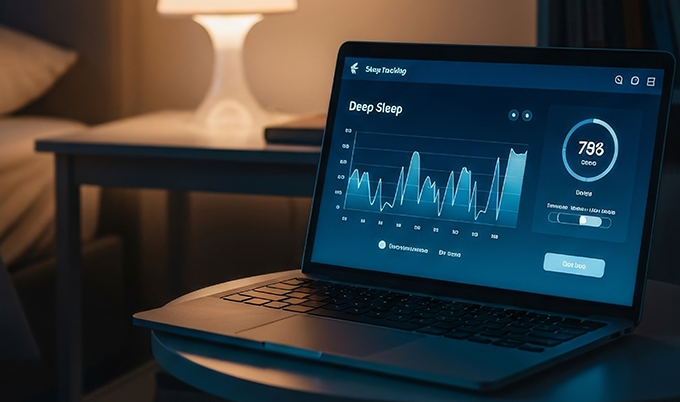
The standard sleep hygiene checklist – consistent schedule, dark room, no screens – is a reasonable foundation, but it doesn’t account for the specific challenges metabolic conditions create. Here’s what a more complete approach looks like when you’re managing blood sugar, blood pressure, or weight:
- Anchor your eating window earlier in the day – finishing your last substantial meal three to four hours before bed reduces overnight glucose fluctuation and supports deeper sleep. This isn’t about skipping dinner; it’s about not eating at 9 PM when you’re going to bed at 11.
- Choose lower-glycemic carbohydrates at your evening meal – vegetables, legumes, and whole grains produce more stable overnight blood sugar than refined carbohydrates, which matters directly for sleep continuity.
- Time your exercise for morning or early afternoon – the blood pressure and blood sugar benefits of physical activity are real; the timing just needs to avoid the two-to-three-hour window before bed.
- Watch alcohol carefully – even moderate alcohol consumption fragments sleep architecture in the second half of the night, when the deepest and most metabolically restorative sleep stages occur. For people managing blood sugar, alcohol also interferes with overnight glucose regulation.
- Address sleep environment seriously – room temperature in the mid-60s Fahrenheit supports the core body temperature drop needed for deep sleep. This matters more when metabolic conditions are keeping cortisol elevated and baseline temperature slightly higher than it should be.
- Track the connection explicitly – if you wear a continuous glucose monitor, you have real data on how your overnight glucose patterns correlate with your sleep quality. This is information worth reviewing with your physician, not just watching on an app.
How a Longer Appointment Changes This Conversation
One of the more frustrating aspects of managing metabolic conditions in traditional primary care is the structural problem with short appointments. Sleep rarely gets discussed unless it’s in obvious crisis. There isn’t enough time to connect the dots between a rising A1C, poor sleep quality, nighttime glucose patterns, and whether a sleep apnea screening is warranted – let alone to build an integrated plan that addresses all of them.
The care model at Craft Concierge is built around appointments long enough to actually have this conversation. When blood sugar trends aren’t responding as expected, or weight management has stalled despite genuine effort, sleep is one of the first places we look – not as an afterthought, but as a core variable in the metabolic picture.
That means time to review your actual sleep patterns, evaluate whether a sleep disorder evaluation makes sense, talk through the specific dietary and lifestyle adjustments that support sleep in the context of your conditions, and coordinate any follow-up that’s warranted. That’s a different kind of primary care than most people have experienced.
If you’re managing a metabolic condition and haven’t had a real conversation about sleep with your physician – or if your current appointments simply don’t have room for it – that’s worth changing. Schedule a meet-and-greet to learn more about how Craft Concierge approaches care that has time for the full picture.
Frequently Asked Questions
Does diabetes affect sleep quality?
Yes. Type 2 diabetes and prediabetes affect sleep in several ways – overnight blood sugar fluctuations can disrupt sleep architecture even without causing full awakening, insulin resistance is closely linked to sleep apnea risk, and the inflammatory processes associated with metabolic dysfunction interfere with restorative sleep stages. People with diabetes also have significantly higher rates of sleep disorders, including obstructive sleep apnea, than the general population.
Why do I wake up at night with high blood sugar?
Early morning blood sugar elevation is often related to the “dawn phenomenon” – a natural rise in glucose driven by cortisol and growth hormone release in the hours before waking. In people with insulin resistance or diabetes, this rise is more pronounced and less efficiently managed. Poor sleep can amplify this pattern, as sleep deprivation itself raises cortisol and impairs overnight glucose regulation. If nighttime blood sugar fluctuations are disrupting your sleep regularly, that’s worth discussing specifically with your physician rather than adjusting medication without a full picture.
Can treating sleep apnea improve blood sugar control?
Yes, in many cases. Treating obstructive sleep apnea – typically through CPAP therapy – reduces the repeated cortisol spikes, oxygen desaturation, and sleep fragmentation that directly worsen insulin resistance. Studies have shown improvements in glucose control and A1C in people with both type 2 diabetes and sleep apnea who receive consistent CPAP treatment, often independently of changes to diet or medication.
How does high blood pressure affect sleep?
Hypertension is associated with disrupted nighttime blood pressure patterns – healthy adults experience a 10 to 20 percent dip in blood pressure during sleep, and people with uncontrolled hypertension often lose this protective dip. Elevated nighttime blood pressure is linked to lighter sleep, more fragmentation, and higher cardiovascular risk. Sleep apnea is also strongly linked to hypertension, particularly in people whose blood pressure is resistant to medication.
What should I eat before bed if I have prediabetes or diabetes?
The most relevant factor is timing – finishing your last substantial meal two to three hours before bed reduces overnight glucose elevation and supports deeper sleep. If you need a small evening snack, lower-glycemic options like a handful of nuts or plain Greek yogurt tend to produce more stable overnight blood sugar than refined carbohydrates. High-sugar or high-glycemic foods close to bedtime can cause blood sugar spikes followed by reactive dips that disrupt sleep continuity. Your specific situation – including any medications you take – should inform your approach, which is a good reason to discuss this with your physician directly.
How do I know if my poor sleep is caused by a metabolic condition?
Signs that a metabolic condition may be driving poor sleep include: waking unrefreshed despite seven or more hours in bed, frequent nighttime urination, morning headaches or dry mouth, blood pressure that doesn’t dip normally overnight, and metabolic markers (blood sugar, weight, blood pressure) that aren’t responding to lifestyle changes as expected. If your sleep problems improved with better metabolic control, or if they emerged alongside a metabolic diagnosis, the connection is worth exploring explicitly with your physician.
Is it normal to feel more tired as metabolic conditions worsen?
Fatigue is extremely common in people with metabolic syndrome, insulin resistance, and type 2 diabetes – but “common” doesn’t mean it should be accepted as inevitable. Fatigue in this context often reflects a combination of poor sleep quality, glucose dysregulation, low-grade inflammation, and in many cases an undiagnosed sleep disorder. Addressing the underlying metabolic and sleep issues together tends to produce more meaningful improvements in energy than addressing either one alone.
Should I talk to my doctor specifically about sleep if I have a metabolic condition?
Yes – and if your current care doesn’t leave room for that conversation, it’s worth advocating for it or finding a care model that does. Sleep is not a secondary concern in metabolic health management. It’s a primary variable that interacts directly with blood sugar control, blood pressure, weight, inflammation, and cardiovascular risk. A physician managing your metabolic conditions without addressing sleep is working with an incomplete picture.