

You’ve done the hard part. You got the scan, you waited for the AI analysis to process, and now there’s a detailed report sitting in front of your physician with numbers, plaque measurements, and vessel-by-vessel breakdowns you’ve never seen before.
The question most patients have at this point isn’t whether Cleerly is accurate. It’s: what do these results actually mean for me, and what are we going to do about it?
That conversation – walking through a Cleerly heart scan report, translating the numbers into a prevention plan, and deciding what comes next – is one of the most important conversations in cardiovascular medicine. It’s also one that gets far too little time in traditional care settings.
This article explains what each component of your Cleerly results means in plain terms, how physicians use those findings to guide treatment decisions, and what a realistic next-steps plan looks like depending on what your scan showed.
What the Cleerly Report Actually Contains

The Cleerly report is more detailed than any other standard cardiac test result. Where a calcium score gives you a single number, Cleerly produces a multi-section document covering several distinct measurements. Understanding what each one represents is the foundation for making sense of your results.
| Report Component | What It Measures | Why It Matters |
| Total Plaque Volume | The complete volume of all plaque across your coronary arteries, measured in cubic millimeters | Establishes your overall plaque burden and provides a baseline for tracking change over time |
| Plaque Composition Breakdown | Percentage and volume of calcified, non-calcified, and low-density non-calcified plaque | Low-density non-calcified (soft) plaque is the most vulnerable to rupture and the most important number to watch |
| Stenosis Severity | How much each plaque deposit narrows the artery, expressed as a percentage | Severe stenosis (70%+) may warrant further evaluation; moderate stenosis guides treatment intensity |
| Vessel-by-Vessel Analysis | Individual assessments of the LAD, RCA, LCX, and other coronary arteries | Identifies which specific vessels have disease and how severe it is in each location |
| Vulnerable Plaque Features | Presence of high-risk characteristics: positive remodeling, low attenuation plaque, napkin ring sign, spotty calcification | These features identify lesions most likely to rupture and cause a heart attack – the most actionable findings in the report |
| Ischemia Likelihood | Estimated probability of reduced blood flow to the heart muscle | Guides whether further functional testing or cardiology referral is warranted |
Cleerly’s patient education resource provides a plain-language overview of what the report contains and how the AI generates its findings. Your physician reviews all of these components together rather than in isolation. A high total plaque volume with mostly calcified plaque tells a very different story than a lower total volume with a significant proportion of soft, low-density plaque. Context is everything.
What “Minimal,” “Mild,” “Moderate,” and “Severe” Actually Mean
Cleerly results are typically categorized into disease severity levels that guide treatment intensity. These aren’t arbitrary labels – each category maps to a specific clinical approach.
Minimal plaque: A small amount of plaque is present, predominantly calcified, with no significant stenosis and no high-risk features. This is a genuinely reassuring result, but it isn’t a reason to stop paying attention. Minimal plaque today can progress to something more concerning over years without lifestyle and risk factor management. The appropriate response is usually monitoring, lifestyle optimization, and a follow-up scan in three to five years.
Mild plaque: More plaque is present, potentially with some non-calcified component, but stenosis remains low and vulnerable features are absent or minimal. At this stage, your physician will typically look closely at your lipid panel – particularly LDL, ApoB, and Lp(a) – and have a direct conversation about whether lipid-lowering therapy is warranted. Lifestyle changes become more urgent, and a follow-up scan in two to three years is common.
Moderate plaque: Meaningful plaque burden with possible non-calcified components, moderate stenosis in one or more vessels, and potentially some vulnerable features. This is the category where treatment decisions become most consequential. Statin therapy is typically initiated or intensified with an LDL target below 70 mg/dL. Lifestyle interventions are prioritized. A follow-up scan within 12 to 24 months to document whether plaque is stabilizing or progressing is standard practice.
Severe/Obstructive plaque: Significant stenosis (typically above 70%) or extensive vulnerable plaque burden. At this level, cardiology referral is usually warranted to evaluate whether intervention – such as cardiac catheterization – is appropriate. The Cleerly findings become input into a broader specialist workup rather than the final word on management.
The Numbers That Matter Most: Understanding Your Plaque Composition
Of all the metrics in a Cleerly report, plaque composition tends to drive the most important clinical decisions. Here’s how to think about each type:
Calcified plaque is the component calcium scoring measures. It’s dense, hard, and relatively stable. Once plaque calcifies, it’s less likely to rupture suddenly. A high proportion of calcified plaque in your total burden is generally a more favorable finding than the same volume of soft plaque. This doesn’t mean it’s harmless – calcified plaque still contributes to stenosis and overall disease burden – but it’s less acutely dangerous.
Non-calcified plaque is softer, fibrous tissue that calcium scoring completely misses. It’s more prone to inflammation and more susceptible to rupture than calcified plaque. A significant non-calcified component in your results is a signal that your plaque is in a more active, less stable state – and that aggressive risk factor management is warranted.
Low-density non-calcified plaque is the most critical number in the report. This is lipid-rich, highly vulnerable plaque – what cardiologists refer to when they talk about “vulnerable lesions.” It has a soft, fatty core and a thin fibrous cap that can rupture with little warning. When this plaque ruptures, it triggers rapid blood clot formation that can completely block an artery and cause a heart attack. Even small volumes of low-density non-calcified plaque in a high-risk location deserve immediate clinical attention.
What Happens if Your Results Show Vulnerable Plaque Features
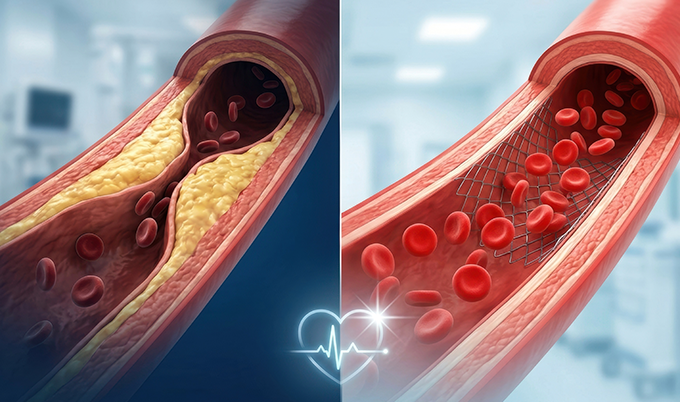
Vulnerable plaque features in a Cleerly report are the findings that change clinical management most significantly. If your report identifies any of the following, your physician will want to discuss them directly:
- Positive remodeling – The artery has expanded outward to accommodate growing plaque rather than narrowing inward. This is counterintuitively dangerous: positively remodeled lesions often don’t show significant stenosis on a stress test, but they indicate an unstable plaque architecture with high rupture potential.
- Low attenuation plaque – A specific Cleerly measurement indicating a very low-density, lipid-rich plaque core. The presence of this feature, even in a lesion that isn’t causing significant stenosis, is one of the strongest predictors of future cardiac events in the Cleerly dataset.
- Napkin ring sign – A thin rim of calcification surrounding a lipid-rich soft plaque core. This pattern is associated with high risk of rupture and is a finding that typically prompts immediate escalation of therapy.
- Spotty calcification – Small, scattered calcium deposits within soft plaque, as opposed to the dense uniform calcification of stable plaque. This pattern indicates an unstable plaque in active disease progression.
The presence of one or more of these features doesn’t mean a heart attack is imminent – but it does mean the window for intervention is open and aggressive treatment is justified. This is precisely the scenario where having a physician with time to review findings carefully, discuss options thoroughly, and build an individualized plan makes the most difference.
How Your Results Connect to Treatment Decisions
The power of a Cleerly report is that it converts cardiac risk assessment from probability into specificity. Instead of “you’re at intermediate risk based on your age and cholesterol,” you have actual measurements of actual disease. That changes how treatment conversations go.
The primary treatment lever for most patients with significant Cleerly findings is aggressive lipid management – particularly LDL reduction. Here’s why: when you lower LDL cholesterol substantially and sustain that reduction over time, several things happen to vulnerable plaque. The lipid-rich core shrinks. The fibrous cap thickens and stabilizes. Inflammation decreases. The plaque becomes less prone to rupture. Serial imaging studies have documented this process – it’s not theoretical.
The LDL targets that follow from Cleerly findings are typically more aggressive than standard guidelines:
- Mild to moderate plaque, no vulnerable features: LDL below 70 mg/dL is typically the initial target
- Moderate plaque with non-calcified component: LDL below 70 mg/dL, often with consideration of below 55 mg/dL depending on overall burden
- Vulnerable plaque features present: LDL below 55 mg/dL is commonly recommended, with high-intensity statin therapy and possible addition of ezetimibe or a PCSK9 inhibitor if targets aren’t reached
- Severe or obstructive disease: Cardiology co-management with LDL targets often below 55 mg/dL and evaluation for interventional options
Beyond lipids, your Cleerly findings will also inform decisions about blood pressure targets, aspirin use, anti-inflammatory interventions, and lifestyle priorities. The report doesn’t just answer “how much plaque” – it answers “what kind of action does this specific disease pattern require.”
The Follow-Up Scan: How Cleerly Tracks Disease Over Time

One of the most clinically valuable aspects of Cleerly is that it enables serial monitoring. Because the AI measures plaque volume in cubic millimeters with consistent methodology, follow-up scans can show whether your total plaque burden is growing, stable, or – with aggressive treatment – actually regressing.
This matters more than most patients realize. It turns prevention from a faith-based exercise into a measurable one. You’re no longer hoping that your statin is working – you can see whether your plaque burden has changed in response to treatment.
Typical follow-up scan intervals depend on your baseline findings:
- Minimal plaque, low-risk features: Three to five years
- Mild plaque with non-calcified component: Two to three years
- Moderate plaque or any vulnerable features: Twelve to twenty-four months
- After significant treatment changes: Twelve to eighteen months to assess response
The goal of the follow-up scan is specific: document that vulnerable plaque has stabilized, that total non-calcified volume is not growing, and that the treatment plan is producing measurable results. If the follow-up shows progression despite treatment, that’s critical information that changes the clinical approach rather than waiting for a cardiac event to signal that something wasn’t working.
The Conversation Your Results Deserve

A Cleerly report contains more information about your coronary health than most patients have received from a lifetime of standard cardiac testing. But the report is only as useful as the conversation that follows it.
In a traditional 10 to 15-minute primary care visit, there isn’t enough time to walk through a six-component AI-generated cardiac report, explain what each measurement means, connect findings to specific treatment decisions, address the questions that come up, and build a monitoring plan. That’s not a criticism of physicians – it’s a structural problem with the traditional appointment model.
At Craft Concierge, Cleerly is offered as part of our Longevity membership – and the appointment structure is built to support the kind of review these results require. Extended visits mean time to go through your report section by section, explain what the plaque composition breakdown means in your specific situation, discuss the treatment rationale behind your LDL target, and answer every question you have before you leave.
Cleerly is also available to Core and Vitality members at a discounted rate. Regardless of which membership tier fits your situation, the goal is the same: your results should translate into a specific, personalized plan – not a general recommendation to “keep an eye on it.”
If you’ve received Cleerly results and want to talk through what they mean in the context of a comprehensive prevention plan, schedule a meet-and-greet at our Tulsa or Tampa location. This is exactly the kind of conversation our care model is built for.
Frequently Asked Questions
What do my Cleerly results mean if I have no plaque?
A result showing minimal or no detectable plaque is genuinely good news – it means your coronary arteries are currently free of significant atherosclerosis. However, it’s worth understanding what this finding does and doesn’t tell you. It confirms the absence of current disease, but it isn’t a permanent clearance. Cardiovascular risk factors like elevated LDL, high blood pressure, smoking history, diabetes, and family history can drive plaque development over time. A clean Cleerly result should be followed by a conversation about maintaining that status through risk factor management, with a repeat scan in three to five years as a baseline check.
What does it mean if my Cleerly results show low-density non-calcified plaque?
Low-density non-calcified plaque is the most clinically significant finding in a Cleerly report. It’s lipid-rich, vulnerable plaque that has the highest potential for rupture and is most directly associated with heart attack risk. Its presence – even in small amounts, and even in arteries that aren’t significantly narrowed – typically prompts aggressive LDL-lowering therapy and closer monitoring. This is not a finding to minimize, but it is also treatable. Aggressive lipid management can stabilize this type of plaque and reduce rupture risk measurably over 12 to 24 months.
What’s the difference between Cleerly results and a calcium score?
A calcium score measures only the calcified plaque in your coronary arteries and produces a single number. Cleerly measures all plaque types – calcified, non-calcified, and low-density non-calcified – and quantifies each one separately across individual vessels. The critical gap is that a calcium score of zero provides no information about soft, vulnerable plaque, which is the plaque most likely to cause a heart attack. Cleerly fills that gap by making non-calcified plaque visible and measurable for the first time without an invasive procedure.
If my Cleerly results show moderate plaque, does that mean I need medication?
Moderate plaque findings typically prompt a serious conversation about lipid-lowering therapy, particularly high-intensity statin treatment. Whether medication is the right choice depends on the full clinical picture – your current LDL and ApoB levels, other risk factors, plaque composition, and the presence or absence of vulnerable features. Many patients with moderate Cleerly findings who weren’t previously on lipid therapy begin treatment following their results, with LDL targets set at below 70 mg/dL or lower depending on specifics. This is a decision made between you and your physician based on your complete profile, not a one-size-fits-all protocol.
How often should I repeat a Cleerly scan after my first results?
The interval depends on what your baseline scan showed. Minimal plaque with no vulnerable features typically warrants a repeat scan in three to five years. Mild to moderate plaque or any non-calcified component usually means a follow-up in one to three years. If you have vulnerable plaque features or have made significant treatment changes, your physician may recommend a scan at 12 to 18 months to assess whether treatment is producing measurable plaque stabilization. The repeat scan is one of Cleerly’s most valuable features – it turns prevention into something you can actually measure rather than assume.
Can Cleerly results change after treatment?
Yes – and this is one of the most compelling aspects of serial Cleerly imaging. Studies using repeat CCTA with AI analysis have documented that aggressive lipid-lowering therapy, particularly when LDL is brought well below 70 mg/dL, can reduce total non-calcified plaque volume, decrease low-density plaque burden, and stabilize or shrink vulnerable lesions over 12 to 24 months. The fibrous cap of vulnerable plaque thickens, the lipid core shrinks, and inflammation decreases. These changes are measurable on repeat imaging. For patients who want to know whether their treatment is actually working – not just assume it is – follow-up Cleerly imaging provides that answer.
What happens if my Cleerly results show severe stenosis?
Severe stenosis – typically defined as greater than 70% narrowing of a coronary artery – usually warrants cardiology referral for further evaluation. At this level of obstruction, the question becomes whether the degree of stenosis is causing reduced blood flow to the heart muscle (ischemia) and whether intervention such as cardiac catheterization, stenting, or bypass surgery is appropriate. Cleerly provides detailed information that helps cardiologists make that decision efficiently, but severe obstructive findings go beyond the scope of primary care management alone. Your Craft Concierge physician will coordinate that referral and remain involved in your care throughout the specialist workup.
Is the Cleerly scan covered by insurance?
The CCTA scan itself may be covered by insurance depending on your plan and the clinical indication – particularly if you have symptoms or a physician referral for cardiac evaluation. The Cleerly AI analysis component is typically an out-of-pocket cost that varies by provider. At Craft Concierge, Cleerly is included in the Longevity membership and available to Core and Vitality members at a discounted rate. If you have questions about cost and coverage for your specific situation, our team can walk you through what to expect before you commit to the scan.